







Search Results for: Frozen Purified Milk

Is it better to chill or freeze a Dirty coffee glass? The mystery of the -86°C Dirty and a real-world comparison test
Dirty has always been a popular product in coffee shops thanks to its high aesthetic appeal and the unique experience of hot and cold colliding. When making a Dirty, using a chilled glass can extend the layering effect between the espresso and the milk, but should you use a refrigerated glass or a frozen glass? Through comparative experiments, Front Street Coffee found that although a frozen glass can widen the initial temperature difference, it also accelerates the dissipation of the layers, and the milk's mouthfeel and aroma are slightly compromised. The rise in popularity of -86°C Dirty has brought frozen glasses into the spotlight once again. This article explains in detail the differences between refrigerated and frozen chilled glasses, the points to note when making a Dirty with a frozen glass, and why purified milk is the best partner for a frozen glass, helping you fully understand the intricacies behind this dirty coffee. [more…]

Making Purified Milk at Home: A Full Guide to Ice Beer Thawing Methods, Milk Extraction Ratios, and Storage Tips
In the world of milk coffee, espresso is certainly the soul, but the choice of milk is equally important. In recent years, Ice Blogger purified milk, with its rich, sweet, and fragrant taste, has moved from specialty coffee shops into home kitchens, becoming a staple ingredient for many coffee lovers. This article addresses common questions about homemade Ice Blogger: from its German origins and appearances at WBC competitions, to the specific steps of freeze purification; from the choice between 200ml small bottles and 1-liter packs, and the impact of a 40% to 60% milk extraction ratio on flavor, to the time differences and hygiene considerations between room temperature and refrigerated thawing; finally, it also compiles recommended storage periods for homemade Ice Blogger. Front Street Coffee, combined with comparative experiments, provides a complete guide for friends who want to replicate Ice Blogger milk coffee at home. [more…]

A Complete Analysis of Milk Blending in the Coffee World: Blending Approaches and DIY Methods for Purified Milk and Plant-Based Milk
In coffee drinks, milk is far more than a supporting player; through clever blending, it can make the flavor of milk coffee achieve an effect where 1+1 is greater than 2. Whether adjusting concentration or enhancing sweetness, blended milk gives baristas more flexible creative space. This article, from the perspective of Front Street, systematically sorts out the common milk blending methods in the coffee world, including the freeze-concentration principle of purified milk, the practice of mixing it with fresh milk in proportion to balance concentration, and the basic concept of plant-based milk blending. The article not only explains the purpose of blending, but also provides actionable DIY ideas to help coffee lovers recreate a professional-grade milk coffee experience at home. [more…]
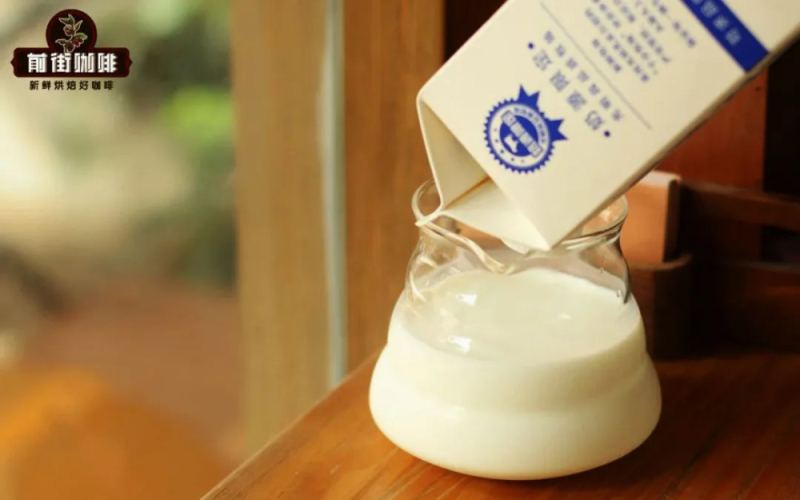
Can IceBock milk be drunk directly? A hands-on guide to making your own IceBock Dirty coffee
Can icebock milk be drunk directly? Is it really difficult to recreate an icebock Dirty coffee at home? This time, Front Street Coffee steps up personally, starting from the principle of freeze distillation and demonstrating step by step how to make rich, mellow icebock at home using a refrigerator and fresh milk, as well as putting its concentration difference against regular fresh milk to the test. The article also shares the complete process of making a Dirty with icebock, including cup size selection, extraction parameters, and flavor performance. If you are also curious about this kind of purified milk with a cheesy, savory note and a viscous mouthfeel, why not follow along with Front Street Coffee and give it a try. [more…]
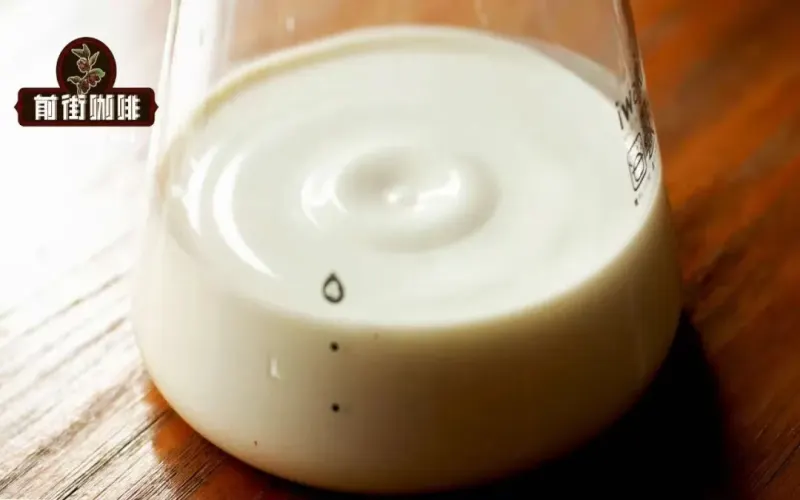
A Guide to Producing Purified Milk: Can Eisbock Be Used for Dirty and Lattes? A Full Analysis of the Freeze-Distillation Purification Method and Ratio Adjustments
Front Street has recently been sharing a lot about ice bock (concentrated milk), and quite a few friends are curious about how it actually differs from milk coffee made with regular fresh milk. Simply put, concentrated milk tastes richer and has a thicker mouthfeel. If you haven't tried it yourself, it's hard to imagine the texture, so you might as well make a cup and experience it. Besides buying ice bock online, you can also make it at home with just two steps: freezing and thawing. In this article, Front Street will break down in detail the principles of the freeze-concentration method, the key operational points, and separately explain the ratio strategies for using concentrated milk to make a Dirty and other milk coffees (such as lattes, flat whites, and cappuccinos)—for a Dirty, you can directly replace it in equal amounts, while for blended milk coffees, you need to adjust the amount of milk to avoid masking the coffee's flavor. It also retains product recommendations such as Front Street's classic blend and Queen's Estate SOE. [more…]

2022 WBC Champion Anthony's Full Breakdown of Latte and Creative Coffee Production: From Milk Powder Thickening to Nitrogen Processing
The 2022 WBC World Barista Championship has come to a close, with Australian competitor Anthony Douglas taking the crown thanks to his unique creative coffee and milk coffee preparation techniques. His performance not only showcased the charm of the 80-hour anaerobic natural Sidra coffee beans from El Diviso Estate in Colombia's Huila region, but also brought laboratory-level processing methods onto the competition stage: vacuum slow-cooked date syrup, nitrogen infusion, magnetic stirring, freeze-vacuum-dehydrated milk powder... How do these techniques affect coffee flavor? This article walks you through Anthony's recipe and operational details one by one, and explores the gap between barista competitions and everyday café culture. Meanwhile, Front Street Coffee continues to provide you with professional coffee knowledge exchange and specialty bean recommendations. [more…]

Dirty Coffee Recipe Tutorial | What Are the Differences Between Dirty Coffee and Iced Latte? What Are the Key Points for Making Dirty Coffee?
For more specialty coffee knowledge, please follow our WeChat official account: Front Street Coffee (FrontStreet Coffee). Dirty Coffee, with its rather playful name, is a unique coffee style; visually, the coffee looks as if it has tainted the white fresh milk, and the blend of hot and cold brings a distinctive layer. [more…]
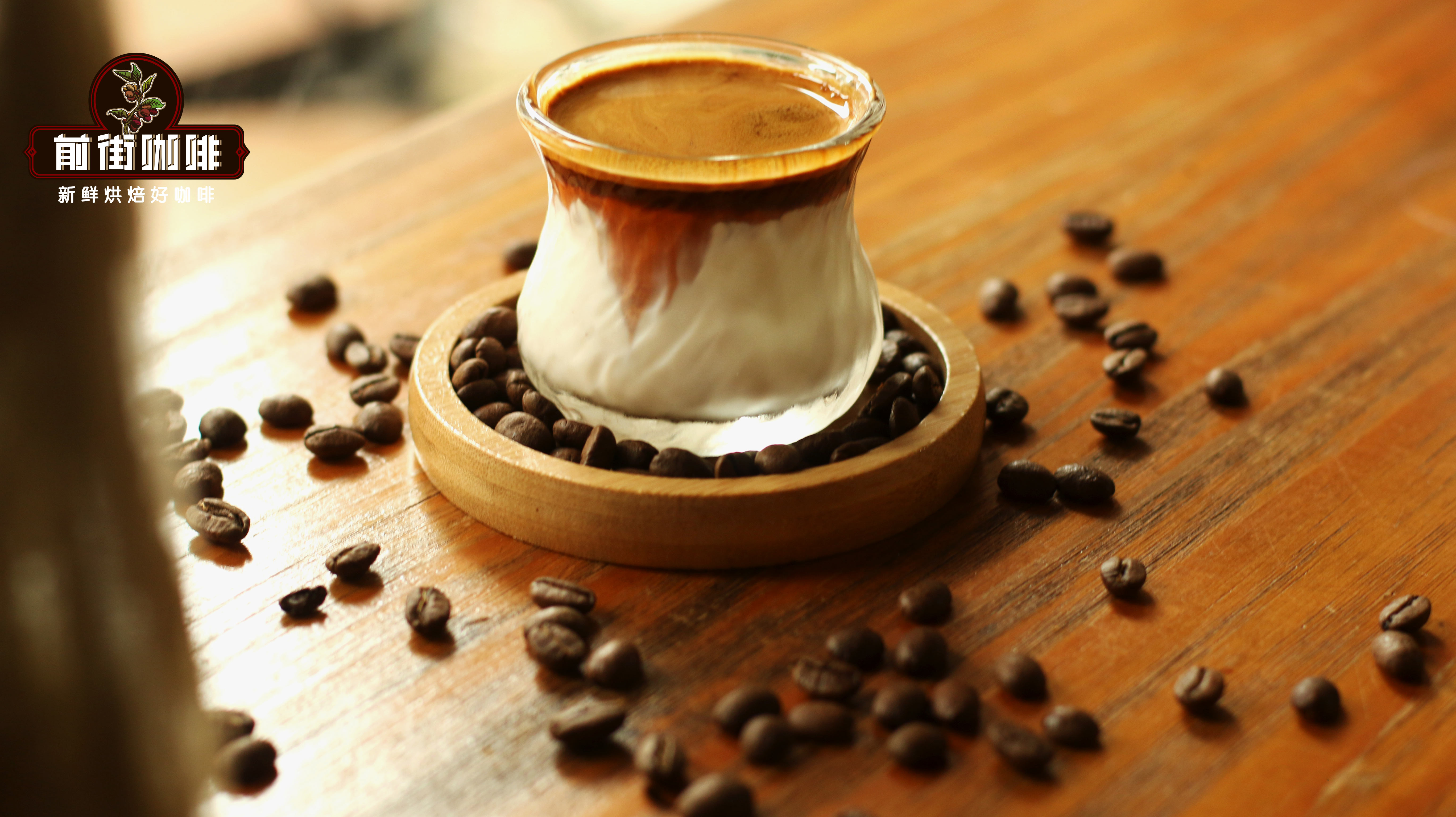
Dirty Coffee Recipe Ratio | How Can Coffee Beginners Make a Dirty Coffee? What's the Milk-to-Coffee Ratio for a Dirty Coffee? Which Coffee Beans Are Suitable for Making a Dirty Coffee?
Introduction: Dirty coffee burst onto the scene a few years ago, converting many latte loyalists into Dirty devotees. Unlike iced latte, Dirty coffee offers a visual and taste-bud double delight as you watch the espresso and milk create a gradient effect, and with one sip you go from rich coffee to sweet milk. [more…]

The Complete Guide to Making a Dirty Coffee: From Beans to Cup, Learn to Create an Iced-Fire Latte Overflowing with Layers
Dirty Coffee, with its gradient texture formed as espresso slowly seeps into chilled fresh milk and its unique mouthfeel of hot and cold intertwined, has become a popular style for many coffee enthusiasts to challenge themselves with at home. However, many people follow tutorials only to end up with a cloudy "ordinary latte," never achieving the layered effect. Drawing on its store production experience, Front Street Coffee breaks down the key factors affecting Dirty's layering one by one—from coffee bean roast level, cup selection, extraction distance, and coffee liquid concentration to milk texture—and provides specific alternatives and product selection suggestions to help you reliably recreate a beautiful and delicious cup of Dirty. [more…]
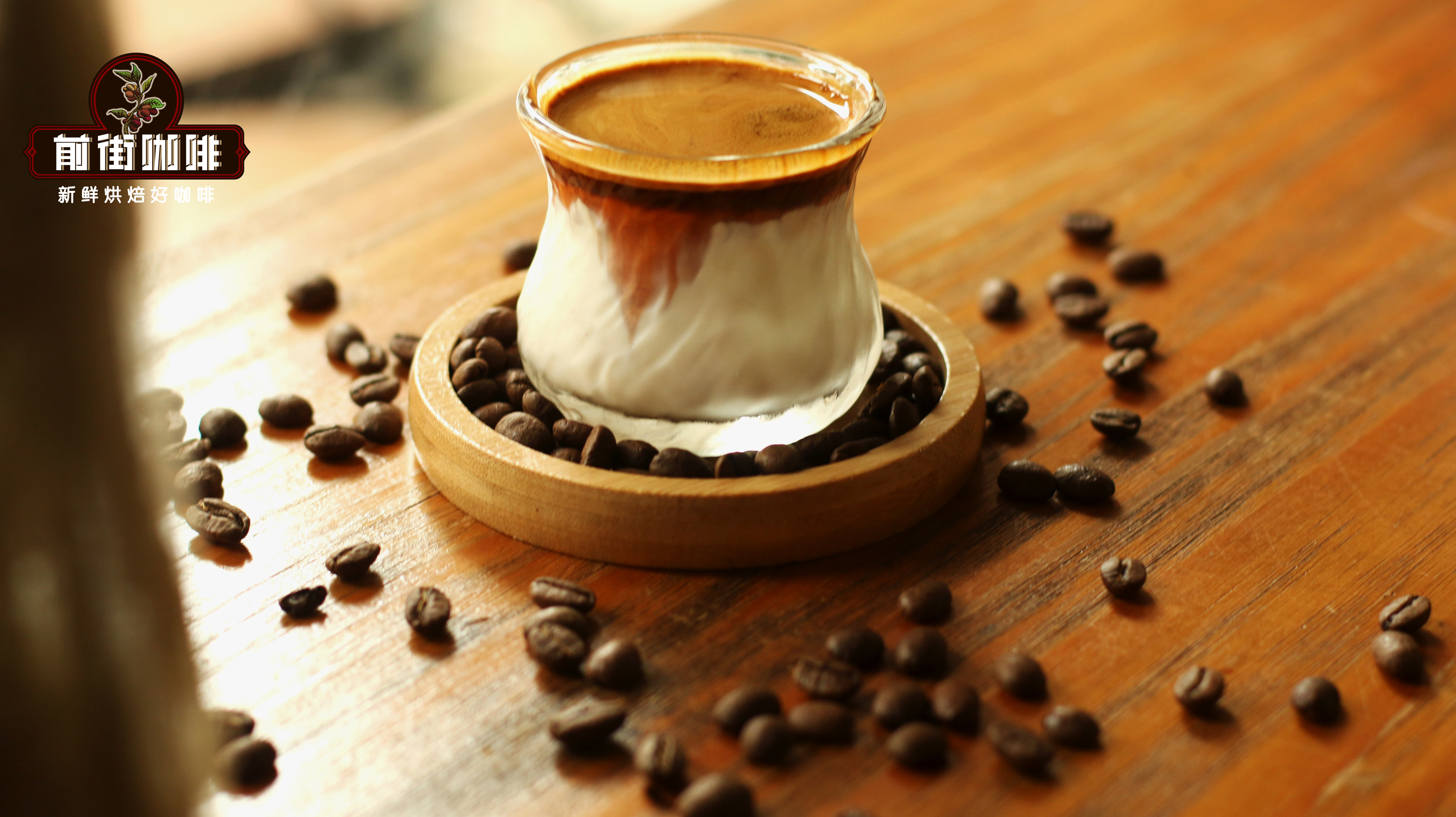
How Should You Drink a Dirty Coffee Correctly? A Full Analysis of Making Techniques and the Flavor and Mouthfeel Differences from Iced Latte
In recent years, Dirty coffee has quickly risen to fame, and many people who once loved lattes have switched camps. Unlike an iced latte, a Dirty is made by letting espresso and milk merge naturally, creating a fascinating layered gradient effect. The first sip delivers an intense coffee impact, which then turns into a smooth, sweet milky aroma—a true feast for both the eyes and the palate. Starting from the definition of a Dirty, this article will explain in detail how to make it, three key techniques, and its essential differences from an iced latte in terms of cup volume, mouthfeel, and flavor. At the same time, Front Street Coffee will also share how to choose suitable espresso beans and milk to help you make a perfectly layered, full-bodied Dirty at home. [more…]

Behind 2022 WBC Runner-Up Morgan Eckroth's Cup Smash on Stage: The Crisis and Road to Rebirth of Specialty Coffee
Morgan Eckroth, runner-up in the 2022 World Barista Championship, did something astonishing on stage—smashing a coffee cup in front of the judges. This coffee influencer with 7 million followers used a metaphor-laden performance to explore the extinction crisis facing specialty coffee. From choosing the endangered coffee variety Eugenioides to incorporating kintsugi craftsmanship and Colombia's national liquor into the creative coffee segment, every choice Morgan made pointed to the same question: as climate change, market shifts, and industry decline converge, is the coffee industry ready? This article will take you through this breathtaking competition and explore how baristas can rediscover the humanistic value and professional charm of specialty coffee in an era obsessed with efficiency. [more…]
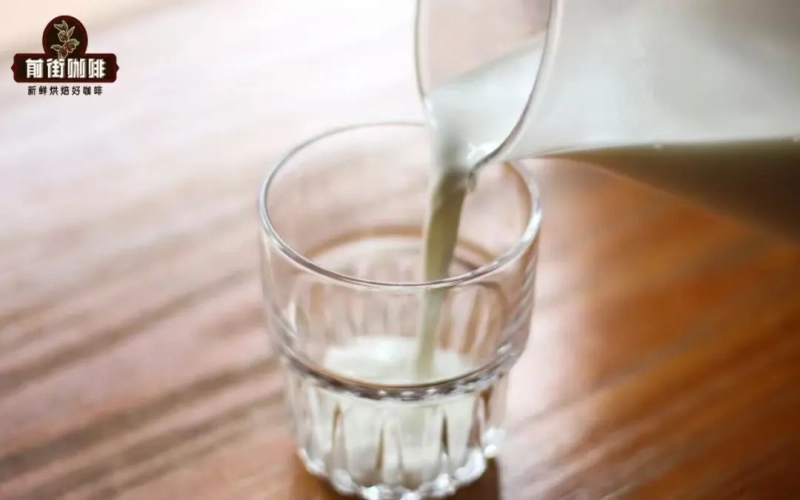
Must Dirty Coffee Use Purified Milk? A Full Analysis of Its Differences from Latte, Flat White, and Cappuccino
Dirty coffee has swept through specialty coffee shops in recent years, and many people assume it must be made with purified milk (such as IceBock). Is that really true? From the perspective of Front Street, this article explores the origins of purified milk and Dirty, explains that fresh milk and plant-based milk can work just as well, and compares the fundamental differences between Dirty and latte, flat white, and cappuccino in terms of preparation method and drinking experience. At the same time, the article also introduces in detail the characteristics of purified milk and why it can amplify Dirty's layered effect and the contrast between hot and cold. Whether you are a coffee enthusiast or a professional, you can use it to clarify the true nature of Dirty and find the cup that suits you. [more…]
What Is Ice Breaker Purified Milk? A Guide to Making High-Concentration Fresh Milk at Home Using the Freeze Distillation Method for Dirty and Lattes
Front Street Coffee has frequently introduced ice bock—that is, purified milk—recently, and many friends want to know exactly how it differs from milk coffee made with ordinary fresh milk. Simply put, purified milk tastes richer, and its mouthfeel is fuller and more substantial. Besides buying it directly, you can actually easily make it at home: just freeze fresh milk and then thaw it, using the difference in freezing points among the components to remove some of the water, and you get milk with a higher concentration. In this article, Front Street Coffee will share the specific steps for purifying milk, how to judge the degree of purification, and how to adjust the ratios when using it to make milk coffees such as Dirty and latte, along with recommendations for coffee beans that pair well, to help you make a cup of rich yet not cloying purified milk coffee. [more…]
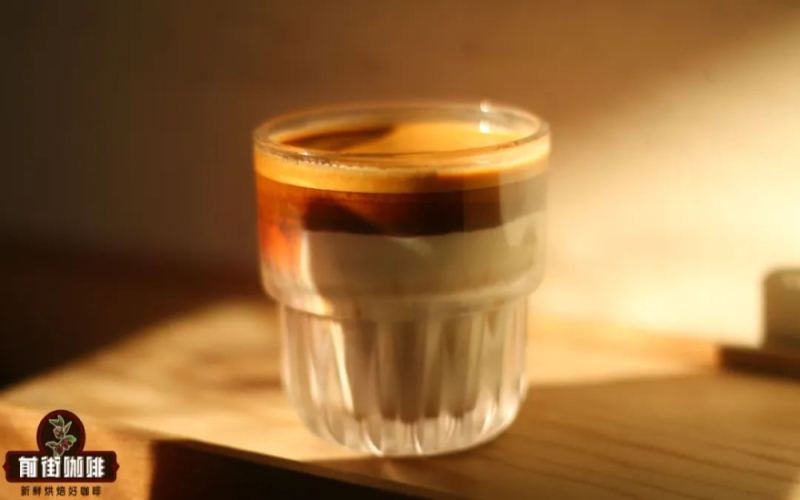
An Analysis of the Differences Between Purified Milk and Regular Milk in Making Milk Coffee: Concentration, Ratios, and a Practical Guide
In the explorations of coffee enthusiasts, purified milk such as IceBock has gradually come into view, bringing a whole new mouthfeel to milk coffee. However, many beginners still use the ratios for regular milk, and as a result the coffee's flavor is masked by the rich milky taste. This article starts from the principles of IceBock, teaches you step by step how to make a "home version" of purified milk, and explains how to adjust the ratio of coffee to milk when using it, so as to balance concentration and enhance sweetness and body. The article also specifically recommends the outstanding performance of purified milk in making a Dirty, and includes practical information about Front Street Coffee to help you easily advance to becoming a milk coffee expert. [more…]

Starbucks' new Flow Frozen Latte sparks heated debate: layered frozen texture divides opinions, while a collaboration-themed straw arrives alongside it
Starbucks has recently been ramping up its co-branding activities, teasing a limited-edition extendable straw shaped like the Golden Cudgel that plays the Monkey King's voice lines, while also launching a new delivery-exclusive drink, the "Flow Frozen Latte," on its Starbuck Delivery service. This creative coffee, said to be inspired by ginger milk curd, claims that the liquid naturally congeals and separates into layers during delivery, arriving as a latte with distinctly defined layers. However, consumer reviews since its launch have been mixed: some have posted photos showing obvious congealing and layering, describing the texture as similar to double-skin milk or coffee pudding; others question whether the product matches its description, saying what they received was no different from an ordinary latte. Is the "flow frozen" effect real or just a gimmick? And is the new recipe simply an old product with a new name? This article will compile netizens' hands-on feedback to take a look at the true face of this talked-about beverage. [more…]
How to make frozen 400 times coffee? A real-world comparison test of espresso and instant freeze-dried powder—which tastes better?
Dalgona coffee has taken the internet by storm with its cloud-like, velvety foam and caramel-sweet flavor, while the frozen version of Dalgona coffee needs only one extra step of chilling to transform the coffee foam into an ice cream-like texture, with layers that rival a snow-topped coffee. But when making it, should you use espresso or instant freeze-dried powder? What exactly are the differences between the two in terms of whipping difficulty, flavor expression, and final mouthfeel? Front Street Coffee conducted two sets of comparative experiments using freshly brewed espresso and instant coffee powder respectively, recording everything from extraction parameter adjustments and whipping time to the texture of the final product, to help you find the method that suits you best. [more…]

Can Overnight Refrigerated Espresso Still Be Drunk? A Taste Test of Flavor Differences Between Refrigeration and Freezing
If the brewed espresso isn't finished on the same day, can it be safely stored in the fridge or freezer overnight and still be enjoyed the next day? Beyond food safety concerns, what coffee lovers really care about is whether the flavor will take a serious hit. Front Street Coffee used the same espresso blend, storing espresso in the refrigerator and freezer overnight respectively, then comparing them with freshly brewed espresso—tasting each as straight espresso, Americano, and milk coffee—to see just what overnight coffee turns into, and how big the gap is between freezing and refrigerating. [more…]

Tea Baidao's ice-cool mint iced milk, a Frozen collaboration, uses fresh mint leaves juiced — yet consumers say it feels like chewing on grass.
After Tea Baidao's lychee iced milk was discontinued with the changing seasons, the brand quickly launched two new iced milk drinks, among which the iced mint iced milk co-branded with Frozen drew a lot of attention thanks to its mint element and co-branded merchandise. However, this drink, made with fresh mint leaves, green grapes, lemon, matcha liquid, and milk, did not deliver the expected cooling sensation upon tasting; instead, the grassy flavor of freshly squeezed mint juice sparked polarized reviews. Some described drinking it as turning into a cow chewing on grass, while others found the plant's fresh fragrance uniquely appealing. Whether this cross-boundary mashup is a stroke of creativity or a flop is worth investigating. [more…]
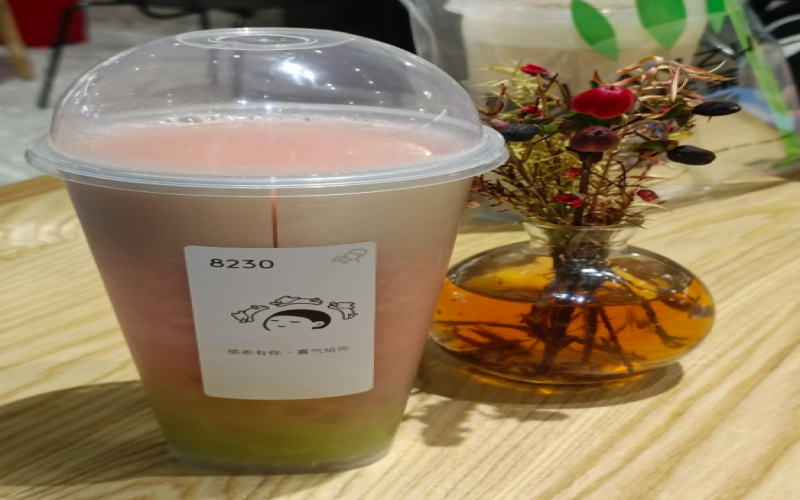
The real situation of milk tea shop employees: hand-squeezing juice and peeling fruit every day, frozen shoulder and tenosynovitis have become common occupational diseases.
Last spring, Heytea's guava series of fruit teas captured a large number of consumers with their refreshing taste, and their removal from the menu after the season became a regret for many. On the eve of this year's Valentine's Day, the guava series finally returned amid widespread calls for it, and as soon as the Refreshing Guava Grape Tea was launched, it flooded social media, with store orders packed. However, while fans were raising their cups for photos and check-ins, Heytea employees in the back kitchen were facing baskets of fresh guavas, wanting to cry but unable to shed tears. Manually squeezing fruit puree, peeling green grape flesh, and long hours of repetitive labor caused many staff members to develop health problems such as frozen shoulder, tenosynovitis, and hand allergies. Behind a cup of seemingly simple fruit tea, what exactly is hidden in terms of the production process and labor intensity? This article takes you to understand the real working conditions of milk tea workers. [more…]

Starbucks Matcha Frozen Mountain series receives polarized reviews: Beyond its high visual appeal, the flavor faces a test of public opinion.
This summer, after brands like Luckin and Manner rolled out matcha drinks one after another, Starbucks also jumped on the trend and launched a Matcha Frozen Mountain series, including a latte, a tea latte, and a Frappuccino. In official promotions, the tea latte is described as featuring a matcha jelly base, paired with mountain-style milk and a blueberry powder cloud milk cap, blending the imagery of blue skies, white clouds, and green meadows into a single cup and successfully winning over looks-focused fans. However, after the product launched, many consumers on social platforms reported that the drink was too sweet and had a strange grassy scent, with some describing it as "sugared grass" or a "weakened version of Iced Matcha," and some discarded it after taking a photo and only a sip. At the same time, Starbucks employees also frequently made mistakes because the names of the latte and the tea latte were too similar, leading to an increase in complaints. This article will sort out the market reaction and the main points of controversy surrounding this new product. [more…]